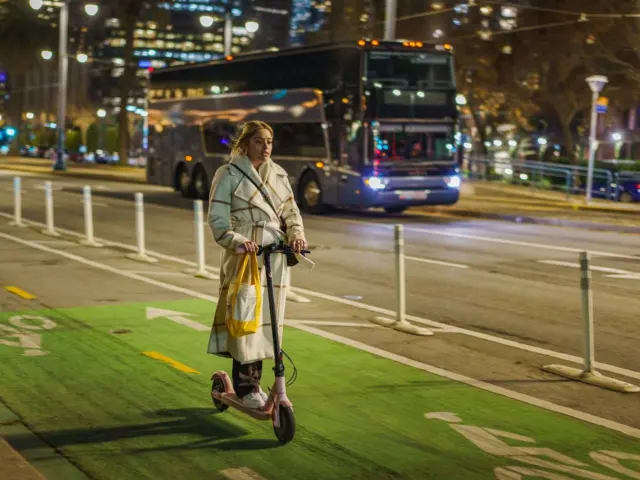
Worried you can’t stop in time? Electric scooter braking safety comes down to working brakes and extra space: in one Austrian test, only one of five scooters beat the bicycle braking minimum.
This guide sits inside the wider topic of electric scooter safety rules, and it focuses on brakes and stopping distance.
| Item | Value |
|---|---|
| Scooter stopping distance at 15 km/h on the flat, with a one-second reaction time | 5.8 to 10.3 m |
| Average bicycle stopping distance in the same test | 5.5 m |
| Average bicycle braking deceleration | 6.6 m/s2 |
| Legal minimum braking deceleration for bicycles | 4 m/s2 |
| Scooter models that beat that minimum | 1 of 5 tested |
The figures come from the Austrian test reported by ETSC on December 7, 2020. Test results and rules can change, so check the source before you rely on them.
Which brake types do electric scooters use?
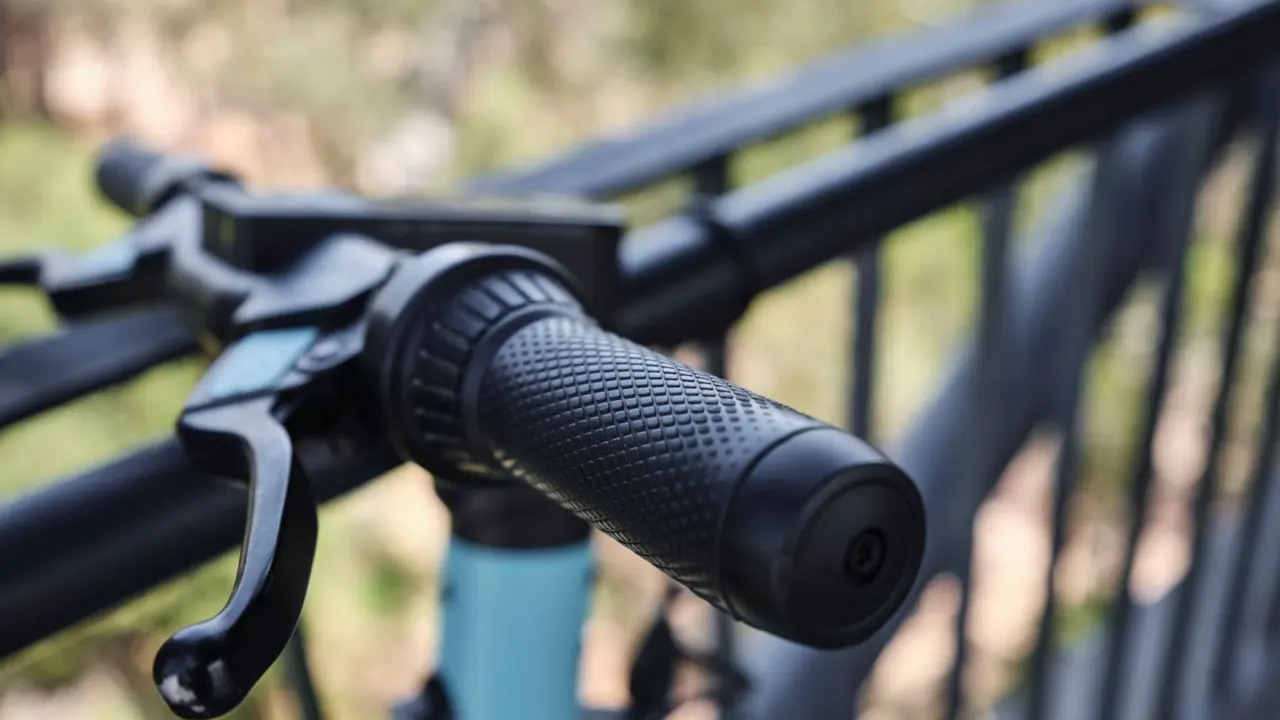
There is no single brake design on electric scooters. The Austrian research tested scooters with an electric handbrake, a hand lever brake, a foot brake and combinations of these.
Each type feels different when you squeeze or press it. Before a ride, it helps to know which of these you have:
- An electric handbrake, which is operated from the handlebar and works through the scooter’s electrical system.
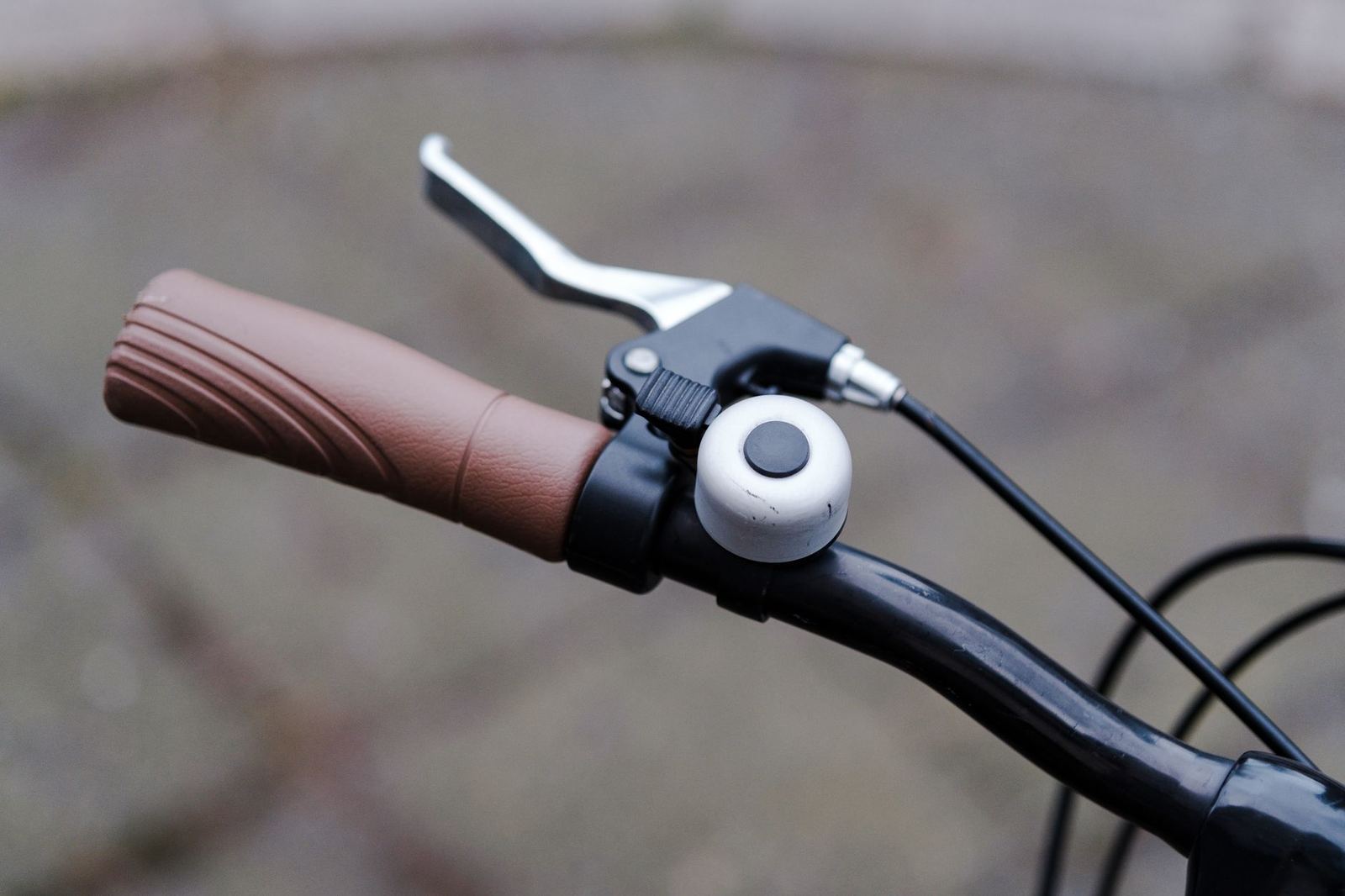
- A hand lever brake, which works much like the brake lever on a bicycle.
- A foot brake, which you press with your foot.
- A combination of two or more of these.
In a December 2020 meeting log, the US Consumer Product Safety Commission (CPSC) recorded that a standards group agreed most ride share e-scooters use a hand lever brake similar to those on bicycles. The same log shows staff questioned whether controls should feel familiar, like bicycle levers, rather than a thumb lever. You can read it in the CPSC meeting log.
What a test track showed about stopping distance
KFV, the Austrian road safety body and an ETSC member, ran a test-track study of five commercially available e-scooter models and compared them with a commercially available bicycle. The scooters were tested on level ground, on downhill slopes and at starting speeds of 15, 20 and 25 km/h.
At 15 km/h on the flat, with an assumed reaction time of one second, the scooters recorded stopping distances of 5.8 to 10.3 m. The bicycle came to a standstill fastest, with an average stopping distance of 5.5 m. Even the best scooter in that test needed a little more room than the bicycle on average.
Deceleration tells the same story. The bicycle averaged a braking deceleration of 6.6 m/s2, and only one of the five scooters did better than the 4 m/s2 minimum that Austrian law requires for bicycles.
Why two independent brakes matter
KFV recommends a minimum braking deceleration of 4 m/s2 for e-scooters and two independent braking devices. At least one of them should work independently of the vehicle’s electrical system. The logic is simple: if one brake fails, you still have another.
Standards bodies are looking at the same idea. As of the CPSC’s December 2, 2020 meeting log, a working group on a draft voluntary standard for commercial adult e-scooters had discussed redundant (secondary) brake systems, and CPSC staff agreed with adding the requirement. The log also says the actual requirements remained to be developed.
That draft standard was a work in progress in the CPSC’s logs of December 2020 and April 2021, so do not assume every scooter you can buy meets it. Austrian law, as ETSC reported in December 2020, requires “an effective braking device” on e-scooters.
- Look for two separate brakes when you choose a scooter.
- Test each brake on its own at walking pace before you ride.
- Stop riding and get a fault checked if either brake feels weak.
What changes your stopping distance
Stopping distance is not one fixed number. The CPSC logs describe several variables that a test method has to handle, and the same ones affect you on the road.
- Speed: the Austrian test used starting speeds of 15, 20 and 25 km/h.
- Weight: e-scooter test weight was one of the topics in the December 2020 stopping distance discussion.
- Slope: the Austrian test included downhill slopes, and the CPSC log lists incline.
- Surface: the April 29, 2021 meeting covered the effect of different surfaces on stopping distances.
- Reaction time: the Austrian figures assume a one-second reaction time, and the 2021 meeting also covered brake reaction times.
The April 2021 log also records that CPSC staff and other group members advocated that a scooter remain stable under maximum deceleration. In practice, a scooter that stops hard but wobbles is not a safe one. The same log mentions unexpected braking events, so smooth, early braking beats a last-second grab.
Braking habits that follow from the evidence
None of the sources is a riding manual, but the findings point to a few habits. The first is to leave more room than you would on a bicycle, because the scooters in the Austrian test needed 5.8 to 10.3 m at 15 km/h on the flat, against 5.5 m on average for the bicycle.
- Check both brakes before each ride.
- Ride slower on downhill slopes and on surfaces you misjudge easily.
- Look ahead and begin braking early, so you never need maximum braking.
- Keep your attention on the road. KFV lists excessive speed, inattentiveness and distraction among the main causes of collisions.
The stakes are real. According to the KFV Injury Database, around 1,200 e-scooter drivers were injured and hospitalised in Austria in 2019 alone.
Where you brake matters too. Austria prohibits riding on the pavement unless indicated otherwise, as ETSC reported in December 2020, and local rules differ, so check can you ride an electric scooter on the sidewalk for the question of where you may ride. Brake care is only one part of hardware safety, and electric scooter battery fire safety covers the other big one.
Frequently asked questions
How far does an electric scooter take to stop?
Show answer
It depends on speed, brakes, slope and surface. In the Austrian test at 15 km/h on the flat, with a one-second reaction time, stopping distances ranged from 5.8 to 10.3 m, as ETSC reported in December 2020.
Do scooters stop faster than bicycles?
Show answer
Not in that test. The bicycle averaged 5.5 m at 15 km/h, and only one of the five scooters beat the 4 m/s2 braking minimum that Austrian law sets for bicycles.
Should an electric scooter have two brakes?
Show answer
KFV recommends two independent braking devices, with at least one working independently of the electrical system. As of the CPSC’s December 2020 meeting log, a standards group had discussed a redundant brake requirement, but the details were still to be developed.
Is there a binding braking standard for scooters?
Show answer
The sources do not show one. The CPSC logs from December 2020 and April 2021 describe a draft voluntary standard that was still being developed, and the Austrian law cited by ETSC in December 2020 requires an effective braking device.
Which brake type is best?
Show answer
The sources do not rank brake types. They tested electric handbrakes, hand lever brakes, foot brakes and combinations, and recommended two independent devices rather than a single best design.