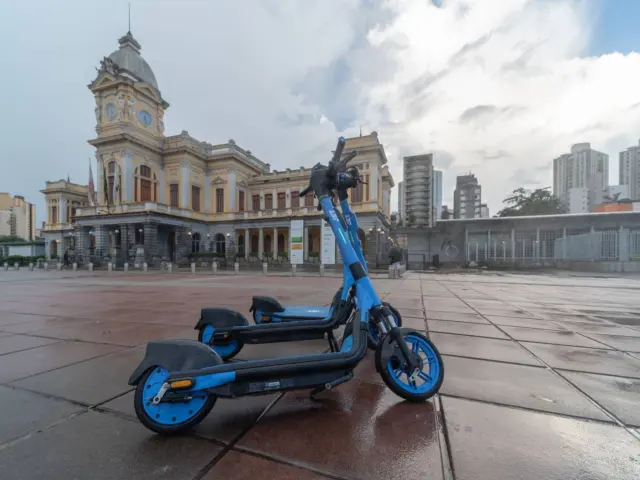
Late for class again? An electric scooter for students can be a smart choice if your campus allows it and you follow its rules. Check local rules, charging limits and safety basics first.
This guide sits within our wider look at urban mobility and focuses on campus life.
| Item | Value |
|---|---|
| NC State student rides, Spring 2023 | About 15,000 rides |
| NC State student rides, Fall 2023 | About 30,000 rides |
| NC State total campus scooter uses | Over 215,000 times |
| SMU campus speed cap | 10 mph, or lower if reasonable for traffic |
| SMU minimum rider age | 18 years |
These figures come from NC State’s Scoot Smart page and SMU’s electric scooter policy. Figures and rules can change, so check the source before you rely on them.
Why do students reach for scooters?
A scooter can turn a long walk between lecture halls into a short ride. NC State’s student affairs office says micromobility devices like electric scooters have become a fast, convenient and eco-friendly way to get around campus, according to its Scoot Smart page.
The catch is that rules vary. The same page says that because these devices are relatively new, consistent rules have not yet caught up at the city or state level.
So the real question is rarely “scooter or no scooter”. It is whether your campus, your city and your daily route make one practical.
What campus ride numbers show
NC State cites a study by Dr. Nicole Odell, which found that students took about 15,000 rides in Spring 2023 and 30,000 in Fall 2023. That is roughly a doubling in one semester, as reported on the NC State page.
The same page says campus scooters have been used over 215,000 times. Treat this as one campus’s example, not a national picture.

Busy campuses also mean busy paths. More riders on the same walkways is why universities keep publishing rider guides.
Check your campus rules first
Campus policies can be strict, and they differ from one school to the next. Read yours before you buy anything, because a campus policy can limit where you ride, how fast you go and where the scooter may be kept.
Here is how four universities handle it:
- SMU: as of its policy revised in February 2026, privately owned scooters are allowed but shared-use scooters are prohibited on campus. Riders must be 18 or older and keep to 10 mph or less.
- Biola: personally owned scooters are allowed as a privilege, with a maximum of 8 mph on university pathways unless a lower speed is posted.
- UCLA: in its December 2025 post, UCLA says a driver’s license is required to operate an e-scooter in California.
- NC State: a Raleigh ordinance quoted on its Scoot Smart page bars motorized scooters from sidewalks, greenways and multi-use paths, while allowing shared streets and bicycle lanes.
Your own campus may differ from all four, so use them as a checklist of questions rather than a rulebook.
Safety habits that campus guides agree on
Different schools repeat the same core advice. NC State’s guide is a good example, and the habits below appear across several of the pages we reviewed:
- Wear a helmet. NC State says it significantly reduces the risk of serious head injuries in a fall or collision. SMU’s policy only encourages helmets, so your campus may not require one.
- Use bike lanes, not sidewalks. NC State notes riders have a higher chance of colliding with a pedestrian on a sidewalk than in a bike lane.
- Take the headphones out. Hearing traffic and pedestrians is essential for safe riding.
- Ride sober. NC State says DUI laws apply to electric scooters, just like cars and bicycles.
- One rider per scooter. UCLA puts it bluntly: one person per scooter, period.
- Slow down in the wet. Rainy conditions can make roads and sidewalks slippery.
Breaking road rules can also cost you. UCLA warns that because motorized scooters follow the same traffic rules as motor vehicles, a moving violation could put points on your driver’s license, as stated in the same December 2025 post.
Charging, parking and keeping it safe
Charging is where many students get caught out. NC State says personal scooters may not be charged in campus buildings or parking garages, apart from accessibility requests handled by specific university offices, per its Scoot Smart page.
SMU’s policy is similar: charging is prohibited in university buildings unless the device is cleared through its accessibility offices, and scooters are not allowed inside those buildings at all, according to the SMU policy. The same policy asks riders to park upright on hard surfaces or at bicycle racks.
Before you buy, ask where you will charge and store the scooter overnight. If your housing has no answer, that is a warning sign.
WashU’s parking and transportation site also suggests you register your bike or scooter in case it goes missing.
Is an electric scooter right for you?
Run through these steps before spending money:
- Read your campus scooter policy, including any rules on shared and private devices.
- Check street and sidewalk rules in the city around campus, and whether a licence or minimum age applies.
- Work out where you will charge and store it.
- Budget for a helmet and a removable light, since NC State’s guide lists a removable strobe light among its basics.
- Map your actual route, including hills, crossings and any areas where you must walk the scooter.
If your trip includes a bus or train, learn how to take electric scooter on public transport before you commit. If you are torn between two wheels and a pedal bike, our comparison of electric scooter vs bike for commuting covers the trade-offs.
For many students a scooter is a good fit when campus rules are clear, the route is short and charging is sorted. If any of those three is uncertain, walking or cycling may serve you better until it is.
Frequently asked questions
Can I ride my scooter on campus sidewalks?
Show answer
It depends on the campus and the city. A Raleigh ordinance quoted by NC State bars scooters from sidewalks, while SMU’s policy lists designated University Park streets and sidewalks, and the SMU campus, as permitted areas. Check your own campus and city rules.
Do I need a driver’s license to ride one?
Show answer
Not everywhere, but sometimes. UCLA’s December 2025 post says a driver’s license is required in California, and SMU sets a minimum rider age of 18. Look up your local requirements.
Can I charge my scooter in my dorm room?
Show answer
Often not. NC State and SMU both restrict charging in university buildings, with exceptions for accessibility requests. Ask your housing office before you buy.
Should I register my scooter?
Show answer
It can help. WashU suggests registering a bike or scooter in case it goes missing. Check whether your campus offers a registration option.