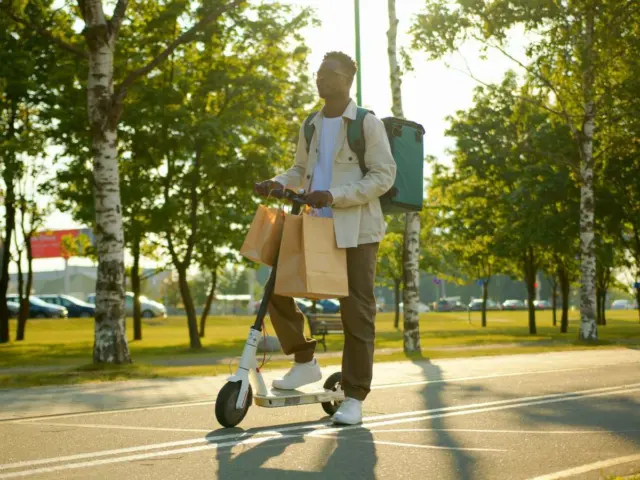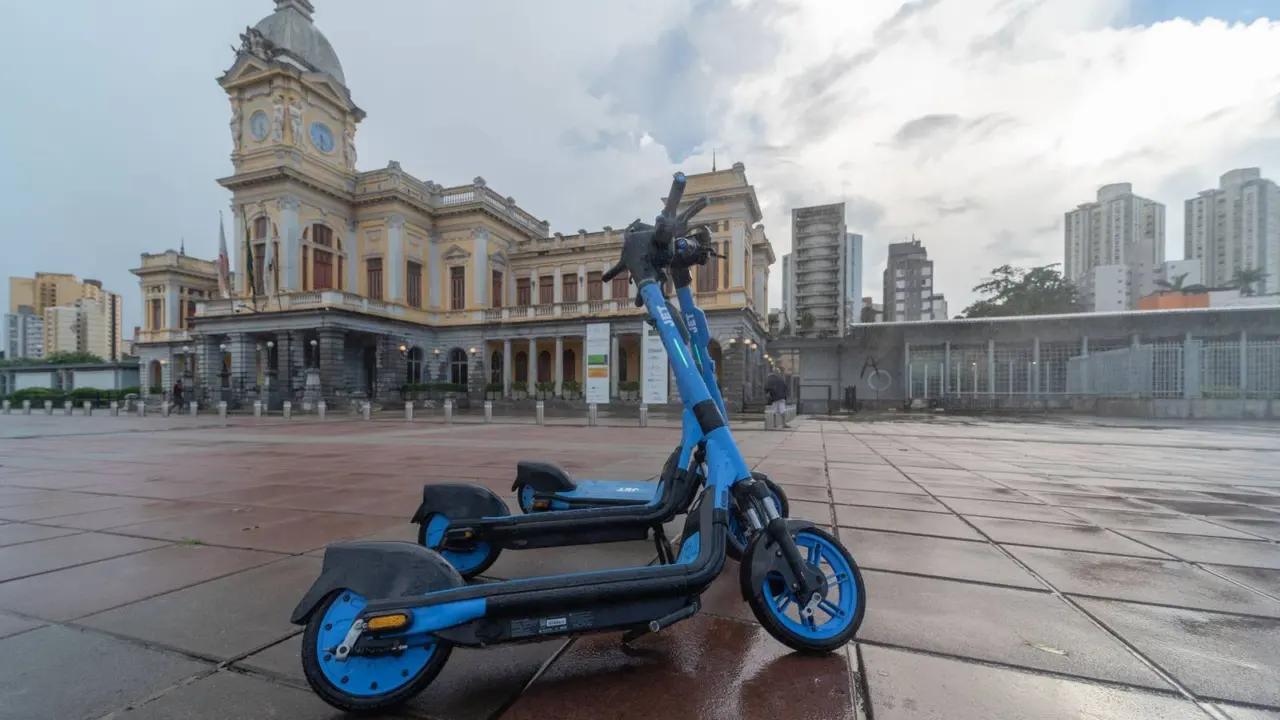
Wondering whether a scooter can solve your first and last mile transport gap? Often yes, for short hops to a station, but research shows walking still wins in many places, so test your own route.
This guide is part of the site’s wider coverage of urban mobility.
| Item | Value |
|---|---|
| Charlotte shared e-scooter trips that were first-mile connections to transit | 14.82% of total trips |
| Charlotte shared e-scooter trips that were last-mile connections to transit | 15.81% of total trips |
| Weekday peak for first-mile connection trips | 8:00 a.m. |
| Weekday peak for last-mile connection trips | 5:00 p.m. |
| BART stations audited in the California Bay Area study | 18 stations |
The Charlotte figures come from the North Carolina DOT report of June 2025, and the station count comes from the California Department of Transportation report of February 2023. Figures can change, so check the source before you rely on them.
What first and last mile transport actually covers
First and last mile transport is the short stretch between your door and a bus stop or station, plus the stretch between the stop and where you are going. The main leg of a transit trip can be quick, yet these short stretches often decide whether the trip feels worth making.
A California Department of Transportation report from February 2023 describes micromobility as well suited to this job. It says small vehicles can extend the catchment area around transit stations and bridge gaps in the existing network.
In practice the gap tends to show up in a few familiar ways:
- A walk from home to the nearest stop that is longer than you want.
- A walk from the station to your workplace, school or appointment.
- A stop that is close on a map but awkward to reach on foot.
A scooter is one of several tools for these gaps, alongside walking, bikes and local buses. The useful question is not whether scooters are good in general, but whether one fits your particular gap.
What the Charlotte data shows about scooter trips to transit
A June 2025 report for the North Carolina Department of Transportation looked at shared e-scooter trips in Charlotte. The city has had shared e-scooters since 2019, and the researchers matched trip start and end points against the locations of transit stops and stations.
They found that first-mile connection trips made up 14.82% of total trips, while last-mile connection trips made up 15.81%. Put simply, the share of trips linking to a stop was close to even at the start and the end of the journey.
The timing matches a classic commute pattern. On weekdays, first-mile trips peaked at 8:00 a.m. and last-mile trips peaked at 5:00 p.m.
- Morning: riders use scooters to reach a stop or station near the start of the day.
- Evening: riders use scooters to cover the distance from the station to their destination.
There is a caveat. The report says the identification of these trips is based solely on the location of stops and stations and the trip’s start and end points, and that details such as transit schedules and ridership would add detail. A trip that merely starts near a stop is counted, whatever the rider intended.

Why does walking still win in some places?
A study published in 2025 surveyed e-scooter users and transit riders in Salt Lake County using intercept surveys at transit stations. Its conclusion is more cautious than the hype: the promise of e-scooters as a link to transit remains largely unmet. The authors report that the number of e-scooter users at busy stations was extremely low and that walking was the preferred way to connect.
That finding does not cancel the Charlotte numbers. It shows that results depend on the city, the station and the rider, which is a reason to treat any single study as one data point.
The Utah survey also points to who is most drawn to scooters and what holds others back:
- Younger riders showed a strong preference for e-scooters, driven by convenience and enjoyment.
- Cost, accessibility, safety and lack of familiarity were named as barriers to wider adoption.
The authors add that overcoming these barriers takes effort from policymakers and authorities, not only from riders. For you, the lesson is practical: if the walk is short and pleasant, a scooter may add cost and hassle for little gain.
Personal or shared scooters at the station?
The Bay Area study audited 18 BART stations, counting arrivals, departures and parked vehicles. It also ran an online survey of rail and micromobility users and held interviews with government, industry and community stakeholders.
Its headline result is that, as of the February 2023 report, personal micromobility dwarfs shared micromobility use in that region. That includes a growing group of transit users who arrive on their own e-bikes and e-scooters.
If you are weighing the two options, the guide on shared vs owned electric scooter sets out the trade-offs in more detail. For station trips, a few questions matter most:
- Will a shared scooter reliably be waiting at your stop, at the hours you travel?
- Is there secure parking at the station if you bring your own?
- Do you need a scooter at both ends of the trip, or only one?
The researchers recommended greater availability of shared vehicles, more affordable secure parking for personal ones, and better signage and wayfinding. They also called for protected bike lanes and consistent design standards beyond the station itself. Those are design choices that decide whether a scooter feels safe to use on the way.
A practical way to test a scooter on your route
You do not need a study to find out whether a scooter helps. A short route test will tell you more than a general claim, and you can run it with a few honest questions.
- Measure your gap on both ends of the trip, and note which end feels worst.
- Time the walk, then compare it with the scooter, including unlocking, parking and any waiting.
- Check the transit operator’s and the local rules for scooters near stations, since they differ by place.
- Look at the road or path you would ride and ask whether it feels safe at your travel hour.
- Add up the cost per trip for shared scooters, or the purchase and storage cost if you would own one.
If the numbers favour a scooter, the guide on how to commute with an electric scooter covers the everyday side of making it routine. If they do not, walking or another mode may serve you better, and that is a perfectly good result.
Keep in mind that the studies here describe specific places and years. Local transit, scooter operators and street layouts change, so treat the research as a guide to the questions worth asking rather than a promise about your own commute.
Frequently asked questions
Do e-scooters really help people reach public transit?
Show answer
The evidence is mixed. In Charlotte, a June 2025 report found that 14.82% of shared e-scooter trips were first-mile connections and 15.81% were last-mile connections. A 2025 Utah study found that walking was the preferred way to connect to transit and that e-scooter use at stations was extremely low.
Is walking better than a scooter for the first and last mile?
Show answer
It depends on the distance, the route and your comfort riding. The Utah survey found walking to be the preferred connection, so a short, pleasant walk may beat a scooter once you count cost and parking.
Should I use a shared scooter or my own for station trips?
Show answer
That depends on whether shared vehicles are reliably available at your stop and whether the station offers secure parking. As of the February 2023 Bay Area report, personal micromobility far exceeded shared use among the station users studied there.
What stops more people from using scooters to reach transit?
Show answer
The Utah study named cost, accessibility, safety and lack of familiarity as barriers. The Bay Area report adds station design issues, such as the need for secure parking, better signage and protected bike lanes.