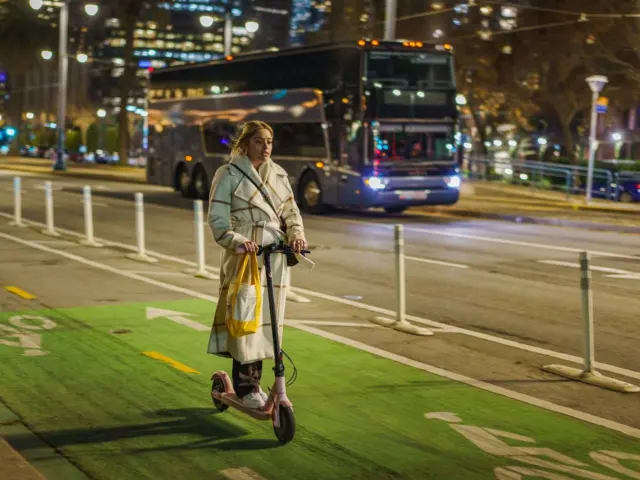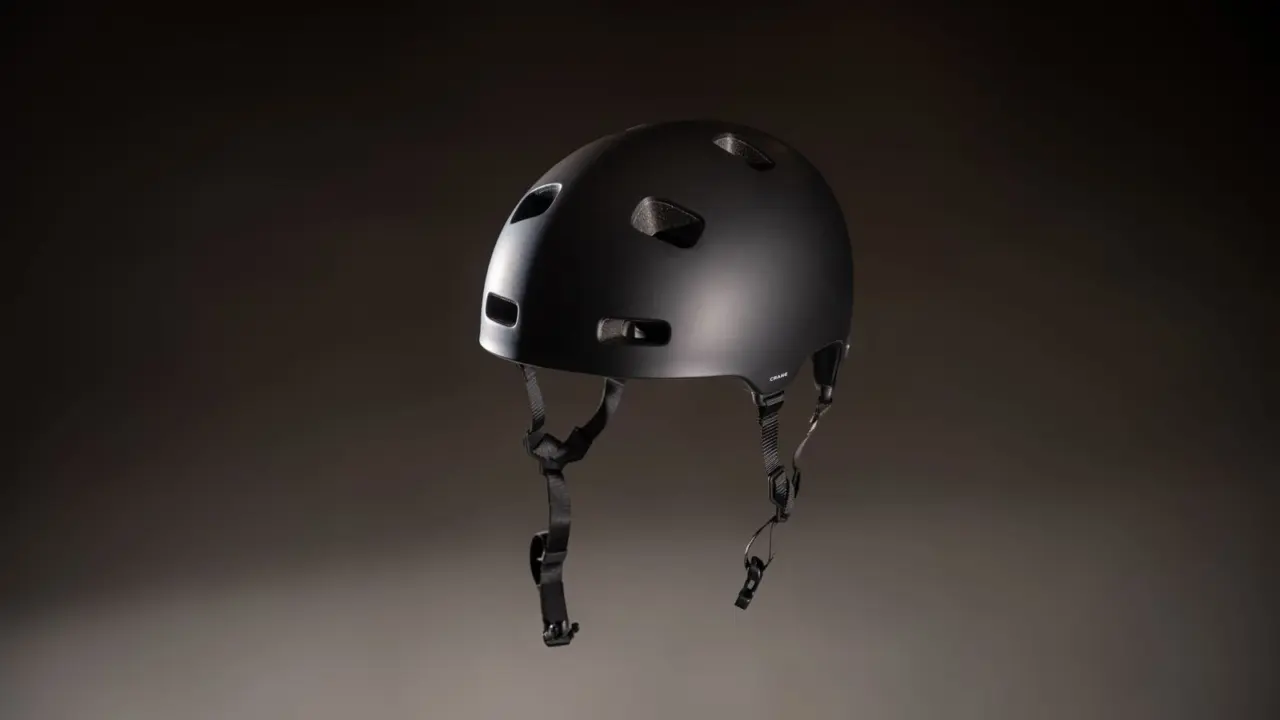
Wondering if you really need an electric scooter helmet? Yes, wear one: head injuries are common in crashes, and most injured riders in the studies below weren’t wearing one. Laws vary, but your skull doesn’t care what the law says.
For the wider picture, read the guide to electric scooter safety rules, which covers more than helmets.
| Item | Value |
|---|---|
| Injured riders not wearing helmets, US hospital records where helmet use was recorded (Rutgers study, 2008 to 2017) | 66 percent |
| Estimated nationwide head and facial injuries from electric scooters, 2008 versus 2017 | 2,325 in 2008 to 6,947 in 2017 |
| Injured riders who reported wearing a helmet, UCLA study of more than 220 patients | 4 percent |
| Riders seen without helmets at a Los Angeles intersection during the UCLA follow-up | 94 percent |
| Head trauma in scooter riders after Italy’s 2000 helmet law, per 10,000 people | about 9 per 10,000 people (down from about 27) |
These figures come from 2019 reports by Rutgers University and ABC13 on the UCLA study. Figures and rules can change, so check the source before you rely on them.
What the injury studies show
Studies of scooter crashes keep pointing the same way: most injured riders had no helmet on. In the Rutgers analysis of US hospital records, 66 percent of injured riders were not wearing helmets in the records where helmet use was noted, as Rutgers reported on June 11, 2019.
A UCLA team looked at more than 220 scooter-riding patients at two West Los Angeles emergency departments over one year. Only 4 percent reported wearing a helmet when they crashed, according to ABC13’s January 27, 2019 report. The same researchers then spent seven hours at a Los Angeles intersection and found that 94 percent of the riders they saw were not wearing helmets.
A report from Austin, Texas, covered by Route Fifty on May 3, 2019, found that nearly half of 190 injured riders suffered head injuries. Only one of them was wearing a helmet.
The Rutgers team also tracked how the problem grew. Estimated nationwide head and facial injuries rose from 2,325 in 2008 to 6,947 in 2017, and the researchers described the increase as a tripling (Rutgers). Those estimates draw on about 100 participating hospitals and are then extrapolated to national figures.
What head injuries from scooter falls look like
The Rutgers study found that closed head injuries were the most common kind. Here is the pattern it reported, based on the Rutgers summary:
- Closed head injuries, such as concussion and bleeding or bruising of the brain, were most frequent.
- Facial cuts or abrasions came next.
- About 5 percent of the injuries were fractures, most often in the skull or nose.
The UCLA group sorted patients by injury type. In that study, 40 percent had head injuries and 32 percent had bone fractures, per ABC13.
In Austin, 48 percent of injured riders had head injuries, and 15 percent showed evidence suggesting a traumatic brain injury, a category that includes concussions (Route Fifty). These numbers describe people who were already hurt, so they don’t tell you your own odds on any single ride.
Do cars or falls cause most scooter crashes?
Many riders picture a car hitting them, but the data lean toward falls. In the UCLA study, the vast majority of injuries were caused by riders falling off scooters, though some involved collisions (ABC13).
Austin tells a similar story. Even though many interviewed riders were traveling in the street, only 10 percent were hurt in a crash with a motor vehicle, according to Route Fifty.
Speed plays a part too. In that Austin report, 37 percent of injured riders said excessive speed contributed to their crash, and the report noted that scooters there can travel up to about 15 mph (Route Fifty). A Rutgers co-author added that certain models can reach speeds of almost 30 miles per hour (Rutgers).
That matters for your electric scooter helmet decision. A fall on a quiet path puts your head close to the ground just as a street crash does, so a helmet isn’t only for busy roads.
To be fair, the Austin report is careful about what helmets can promise. It says that helmet use “might also reduce the risk of head and brain injuries in the event of an e-scooter crash,” after noting that bicycle riders reduce that risk by wearing a helmet (Route Fifty).
Is an electric scooter helmet required by law?
It depends on where you ride, and the rules often leave adults out. The Rutgers headline put it plainly: many state helmet laws do not address adults, who are the most injured in electric scooter accidents (Rutgers, June 11, 2019).
Two examples from that report show how far rules can differ. As of Rutgers’ June 11, 2019 report, the District of Columbia classified motorized scooters as personal mobility devices not subject to helmet laws. New Jersey required helmets only for riders under 17.
California was similar. As of ABC13’s January 27, 2019 report, only minors were required to wear helmets on electric scooters there.
Those rules are dated and may have changed, so check your local ones before you ride. For a wider comparison, the guide to electric scooter laws by country shows how requirements differ from place to place.
One country went the other way. A Rutgers co-author said that Italy’s 2000 law mandating helmets for all types of recreational scooter drivers reduced head trauma in scooter riders from about 27 out of 10,000 people to about 9 out of 10,000 afterward (Rutgers). That is a before-and-after comparison, so it shows an association rather than proof of cause.
Children, adults and who actually wears a helmet
Scooters that look like toys can still be fast. A Rutgers co-author noted that children use motorized scooters marketed as toys, and 33 percent of the injured people in that study were children between 6 and 12 (Rutgers).
Adults are in the injury records too. Most of the people injured were men between 19 and 65, the same Rutgers report found, so a helmet habit isn’t just a kids’ rule.
Helmet use did climb with age. It rose from about 19 percent in toddlers to about 67 percent in senior riders, per Rutgers. Even the most careful group still included riders who went without.
Your next ride: a simple helmet checklist
You don’t need to read every study to act on them. This short list turns the findings into habits:
- Check the helmet rule where you ride, then treat it as the minimum rather than the goal.
- Put your helmet on for every ride, including short trips, because falls cause most injuries in the studies above.
- Keep your speed in check, since 37 percent of injured Austin riders said speed contributed to their crash.
- Make sure children wear one, even if the scooter was sold as a toy.
- Think about the money side, too: the guide to electric scooter insurance explains how cover relates to riding.
A helmet can’t stop a crash, but it is the one piece of kit the injury data keep pointing to. It costs far less than a head injury.
Frequently asked questions
Do adults need an electric scooter helmet?
Show answer
Legally, it depends on your location. As of Rutgers’ June 11, 2019 report, New Jersey required helmets only for riders under 17, and most injured riders in the studies were adults (Rutgers). Safety-wise, the evidence favors wearing one whatever your age.
Does a helmet prevent head injuries on a scooter?
Show answer
It can’t guarantee anything. The Austin report says helmet use might reduce the risk of head and brain injuries in an e-scooter crash (Route Fifty). That is cautious wording, not a promise.
Do rental scooter riders need a helmet?
Show answer
The rules follow the place, not the scooter. As of ABC13’s January 27, 2019 report, Bird and Lime encouraged riders to wear helmets even when not required by law and had programs offering free helmets (ABC13). Check what applies where you ride.
Are these studies up to date?
Show answer
They are from 2019, so treat the numbers as a snapshot of that period. The Rutgers study covered 2008 to 2017, and rules may have changed since (Rutgers). Check your local rules and newer research before you rely on them.